Cover Letter
88+ Latest Teaching Cover Letter Samples and Guide
Let’s Create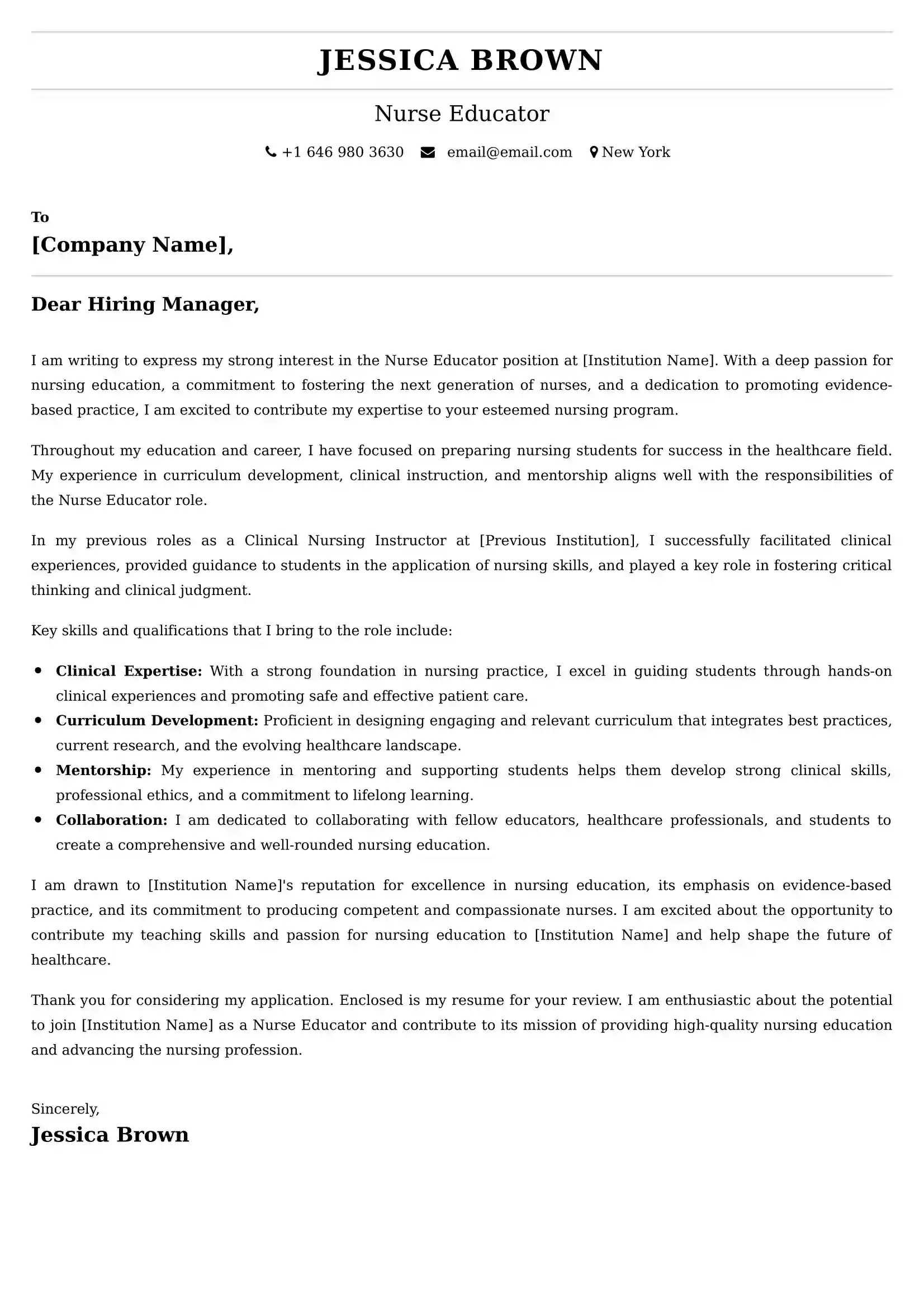
Cover Letter Samples Canada
Crafting a compelling cover letter is an essential step in your journey as an educator. By following these guidelines, you can create a personalized, impactful cover letter that highlights your qualifications, experiences, and passion for teaching. Remember to tailor each cover letter to the specific teaching position and school, and showcase your strengths as an educator. Good luck!
Cover Letter examples for top teaching jobs
Use the following guidelines and Cover Letter examples to choose the best resume format.
Adjunct Professor Cover Letter Sample

Assistant Teacher Cover letter Sample

Early Childhood Teacher Cover letter Sample

Introduction:
Welcome to the teaching cover letter examples section at HexaResume! Crafting a compelling cover letter is crucial for educators at all levels, whether you're applying for a position as a preschool teacher, high school teacher, adjunct professor, or tutor. In this guide, we'll explore key strategies for creating effective cover letters tailored specifically for teaching professionals.
About Teaching:
Teaching is a noble profession that requires passion, dedication, and expertise in facilitating learning and development among students. Educators play a pivotal role in shaping young minds, fostering critical thinking skills, and inspiring a love for lifelong learning.
How to Create a Cover Letter:
- Highlight Teaching Experience: Showcase your relevant teaching experience, including grade levels, subjects taught, and any specialized teaching methodologies or approaches you utilize.
- Emphasize Educational Philosophy: Articulate your educational philosophy and teaching approach, highlighting your commitment to student-centered learning, differentiated instruction, and fostering a positive and inclusive classroom environment.
- Demonstrate Impact and Achievements: Provide examples of your impact as an educator, such as student academic achievements, successful lesson plans, innovative teaching methods, and extracurricular involvement.
- Address Classroom Management and Student Engagement: Discuss your strategies for effective classroom management, student engagement, and behavior intervention, demonstrating your ability to create a supportive and respectful learning environment.
- Personalize Your Letter: Tailor your cover letter to each specific teaching position, addressing the hiring committee by name if possible. Customize your letter to reflect your enthusiasm for the role and your alignment with the school's mission and values.
Importance of a Well-Written Cover Letter:
- Demonstrates Passion and Commitment: A well-crafted cover letter allows you to convey your passion for teaching and your genuine commitment to fostering student success and academic excellence.
- Highlights Teaching Skills and Expertise: It provides an opportunity to showcase your teaching skills, instructional strategies, classroom management techniques, and ability to meet the diverse needs of students.
- Personalizes Your Application: A personalized cover letter demonstrates your genuine interest in the teaching position and your understanding of the needs and culture of the school or educational institution.
- Establishes Professionalism and Communication Skills: Writing a professional cover letter showcases your communication skills, attention to detail, and ability to articulate ideas effectively, essential qualities for educators.
- Sets You Apart from Other Candidates: A compelling cover letter distinguishes you from other applicants by highlighting your qualifications, experiences, and contributions to the field of education.
Cover Letter Dos and Don'ts for Teaching Professionals:
- Do Tailor Your Letter to the Position: Customize your cover letter to reflect the specific requirements, expectations, and preferences outlined in the job posting and the school's mission and educational philosophy.
- Don't Focus Solely on Your Resume: Use your cover letter to complement, rather than repeat, the information provided in your resume. Highlight key achievements, experiences, and skills that demonstrate your suitability for the teaching role.
- Do Showcase Your Enthusiasm and Personality: Infuse your cover letter with enthusiasm, positivity, and authenticity. Let your passion for teaching and your dedication to student success shine through in your writing.
- Don't Use Generic Language or Templates: Avoid using generic language or template cover letters that lack specificity and fail to capture your qualifications and experiences as an educator.
- Do Proofread and Edit Carefully: Take the time to proofread and edit your cover letter for grammar, spelling, and punctuation errors. Pay attention to formatting, clarity, and overall readability to ensure a polished final product.
FAQs with Answers:
- Q: How can I address a career change into teaching in my cover letter?
- A: Highlight transferable skills and experiences from your previous career that are relevant to teaching, such as communication skills, leadership abilities, and subject matter expertise. Emphasize your passion for education and your commitment to making a positive impact on students' lives.
- Q: Should I include references or testimonials in my teaching cover letter?
- A: While it's not necessary to include references or testimonials in your cover letter, you can mention that references are available upon request. Focus instead on highlighting your qualifications, experiences, and achievements as they relate to the teaching position.
- Q: How can I address a gap in my teaching experience in the cover letter?
- A: Be honest and transparent about any gaps in your teaching experience. Use this opportunity to discuss how you've remained engaged in professional development, pursued relevant coursework or certifications, or gained valuable skills and experiences during that time.
- Q: Is it appropriate to discuss teaching philosophy and pedagogical approach in the cover letter?
- A: Absolutely! Your teaching philosophy and pedagogical approach are integral parts of your identity as an educator. Briefly discuss your beliefs about teaching and learning, your instructional methods, and your commitment to student growth and development.
- Q: Should I include salary expectations or requirements in my teaching cover letter?
- A: It's generally best to avoid discussing salary expectations or requirements in your cover letter unless specifically requested by the employer. Focus instead on showcasing your qualifications, experiences, and passion for teaching.
Explore the following links for specific examples and insights tailored to various teaching roles:
- Preschool Teacher Cover Letter Examples
- Adjunct Professor Cover Letter Examples
- Assistant Teacher Cover Letter Examples
- Early Childhood Teacher Cover Letter Examples
- Elementary Teacher Cover Letter Examples
- ESL Teacher Cover Letter Examples
- High School Teacher Cover Letter Examples
- Homeschool Teacher Cover Letter Examples
- Language Professor Cover Letter Examples
- Middle School Teacher Cover Letter Examples
- Nurse Educator Cover Letter Examples
- Piano Teacher Cover Letter Examples
- Summer Teacher Cover Letter Examples
- Teacher Cover Letter Examples
- Tutor Cover Letter Examples
More Resume Examples for the Next Step in Your Resume Career jobs
- Preschool Teacher Resume
- Adjunct Professor Resume
- Assistant Teacher Resume
- Early Childhood Teacher Resume
- Elementary Teacher Resume
- Esl Teacher Resume
- High School Teacher Resume
- Homeschool Teacher Resume
- Language Professor Resume
- Middle School Teacher Resume
- Nurse Educator Resume
- Piano Teacher Resume
- Summer Teacher Resume
- Teacher Resume
- Tutor Resume
More Cover Letter Examples for the Next Step in Your Cover Letter Career jobs
- Preschool Teacher Cover Letter
- Adjunct Professor Cover Letter
- Assistant Teacher Cover Letter
- Early Childhood Teacher Cover Letter
- Elementary Teacher Cover Letter
- Esl Teacher Cover Letter
- High School Teacher Cover Letter
- Homeschool Teacher Cover Letter
- Language Professor Cover Letter
- Middle School Teacher Cover Letter
- Nurse Educator Cover Letter
- Piano Teacher Cover Letter
- Summer Teacher Cover Letter
- Teacher Cover Letter
- Tutor Cover Letter
Get started with a winning Cover Letter template
500+ ATS-Friendly Canadian Cover Letter Examples - Optimized for Success
Explore our vast repository of 500+ Canadian Cover Letter examples, meticulously designed to meet the rigorous standards of Applicant Tracking Systems (ATS). These Cover Letter are expertly formatted to adhere to Canadian industry norms, ensuring your job applications are ATS-compliant and effective. Whether you're a seasoned professional, a recent graduate, or transitioning careers, our collection of ATS-optimized Canadian Cover Letter examples offers the tools you need to excel in the competitive Canadian job market.

Cover Letter Examples
See what our customers says
Your service was excellent; it was everything that I was hoping for. The quality, format and content was nearly perfect...

Sarah
I avail their resume service for first time, they did a great job and highlighted my Experience and skills very professionally, thanks!

Sarah
Very Quick and explained my past better than even I could have, Thank You!

Deven
I have created my first professional resume from here and believe me it's a great experience. The team is full of talent and have a lot of great work ethics. I was well assisted by perfectresume team !!! ...

Justin
Our Resume Are Shortlisted By


